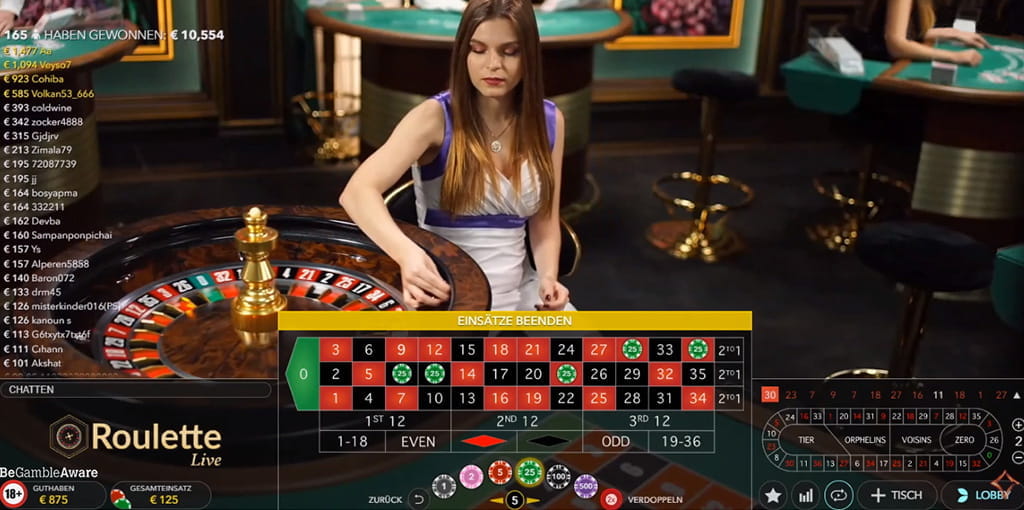
casino amsterdam sicher genießen: Tipps 2026
casino amsterdam gehört zu den beliebtesten Casinos der Stadt. Das vielfältige Angebot umfasst auch regelmäßige Turniere in amsterdam casino turniere.
handy casino echtgeld bonus ohne einzahlung 2026 — gratis
Siehe auch:
- Fazit: spielbank amsterdam lohnt sich
- Typische Casino-Promotions und Bonusbedingungen
- Ambiente und Atmosphäre in einem österreichischen Casino
- Ein Leitfaden für spielbank amsterdam: Tipps und Tricks
- Die Bedeutung von spielbank amsterdam für Spieler
- Wie erhalte ich spielbank amsterdam?
- Verantwortungsvolles Spielen in österreichischen Casinos 2026
Fazit: spielbank amsterdam lohnt sich
["### Einführung in die landbasierten Casinos der Schweiz\nDie Schweiz verfügt über eine lange Tradition im Bereich der landbasierten Casinos, die heute unter strengen kantonalen Konzessionen betrieben werden. Nach der Einführung des neuen Spielbankengesetzes im Jahr 2019 wurde der Markt liberalisiert, jedoch bleiben die Casinos an feste Standorte gebunden. Aktuell gibt es in der Schweiz rund 20 landbasierte Casinos, die von der Eidgenössischen Spielbankenkommission (ESBK) reguliert werden. Diese Casinos befinden sich sowohl in grossen Städten wie Zürich, Genf, Basel und Bern als auch in touristischen Regionen wie Montreux, Lugano und St. Moritz. Sie bieten ein exklusives Ambiente mit eleganten Spielsälen, Lounges und Gastronomie. Die Kantonslizenzen werden alle fünf Jahre neu vergeben und unterliegen strengen Auflagen zum Spielerschutz und zur Bekämpfung von Geldwäscherei. Für Einheimische ist der Zutritt nur mit einer persönlichen Spielerkarte möglich, die eine vorherige Registrierung und eine Sperrfrist von einer Stunde vor dem ersten Spiel vorschreibt. Diese Massnahmen fördern ein verantwortungsvolles Spielen und unterscheiden die Schweizer Casinos von vielen anderen europäischen Ländern. Der Charme der landbasierten Casinos liegt in der einzigartigen Atmosphäre mit Live-Unterhaltung, professionellen Croupiers und der Möglichkeit, andere Gäste zu treffen. Trotz der wachsenden Beliebtheit von Online-Casinos haben die physischen Häuser ihren festen Platz in der Schweizer Glücksspielkultur."
"### Verfügbare Spiele und Unterhaltungsangebote\nIn den Schweizer Landcasinos erwartet die Besucher eine vielfältige Auswahl an traditionellen und modernen Spielen. Klassiker wie American Roulette, Blackjack, Poker (Texas Hold’em und Omaha) und Baccarat gehören zum Standardrepertoire. Hinzu kommen zahlreiche Spielautomaten, die von bekannten Herstellern wie Novomatic, Merkur oder EGT stammen. Die Casinos legen grossen Wert auf Qualität und bieten oft auch exklusive Tische mit höheren Limits für High Roller. Neben den Glücksspielen punkten die Häuser mit einem breiten Unterhaltungsangebot. Viele Casinos verfügen über hauseigene Restaurants mit gehobener Küche, Bars mit Live-Musik und regelmässige Veranstaltungen wie Pokerturniere oder Konzerte. Einige Standorte wie das Casino Montreux oder das Casino St. Moritz sind auch für ihre spektakuläre Architektur und die Lage an malerischen Seen oder Bergen bekannt. Die Hotelanbindung spielt eine wichtige Rolle: Viele Casinos sind in Fünf-Sterne-Hotels integriert und bieten ihren Gästen exklusive Pakete mit Übernachtung, Abendessen und Spielguthaben an. Des Weiteren gibt es in einigen Casinos VIP-Lounges, die nur für geladene Gäste zugänglich sind und persönliche Betreuung sowie höhere Tischlimits bieten. Die Gastronomie reicht von italienischer bis zu asiatischer Küche, oft mit Michelin-Sternen ausgezeichnet. Das gesamte Erlebnis ist sorgfältig kuratiert, um den Gästen einen unvergesslichen Abend zu bieten. Anders als in Online-Casinos, wo der Fokus auf der Spielauswahl liegt, steht hier das Gesamterlebnis mit sozialen Interaktionen und Luxusambiente im Vordergrund."
"### Regulatorische Rahmenbedingungen und Besucherinformationen\nDie gesetzlichen Bestimmungen für landbasierte Casinos in der Schweiz sind streng und darauf ausgerichtet, Spielsucht zu verhindern und die Integrität des Spiels zu wahren. Der Zutritt ist erst ab 18 Jahren erlaubt, wobei die meisten Casinos ein Mindestalter von 21 Jahren für den Aufenthalt in den Spielbereichen vorsehen. Jeder Besucher muss sich vor dem ersten Spiel registrieren und eine persönliche Spielkarte beantragen, die mit einem Lichtbild und persönlichen Daten versehen ist. Diese Karte dient auch zur Erfassung der Spielzeit und -ausgaben. Zudem gilt eine obligatorische Wartezeit von einer Stunde zwischen der Registrierung und dem ersten Spielzug. Darüber hinaus gibt es ein zentrales Sperrsystem namens "Spielerlimit", das es Spielern ermöglicht, sich freiwillig oder auf Anordnung der Behörden für eine bestimmte Dauer von allen Schweizer Casinos sperren zu lassen. Die Casinos sind verpflichtet, jede Transaktion über 3000 Franken zu melden, um Geldwäscherei zu verhindern. Für ausländische Gäste gelten vereinfachte Regeln: Sie können ohne vorherige Registrierung spielen, müssen jedoch ebenfalls einen gültigen Ausweis vorlegen und unterliegen denselben Spielerschutzmassnahmen. Die Öffnungszeiten variieren je nach Standort, aber die meisten Casinos haben täglich von 11 Uhr bis 4 Uhr morgens geöffnet, wobei einige sogar rund um die Uhr an Wochenenden öffnen. Die Kleiderordnung ist meist elegant oder leger; in den Spielsälen wird oft Jackett oder mindestens ein Hemd verlangt, während in den Lounges Freizeitkleidung akzeptiert wird. Parkplätze sind in der Regel vorhanden, und viele Casinos bieten kostenlose Shuttleservices von nahegelegenen Hotels oder Bahnhöfen an."
"### Unterschiede zwischen landbasierten und Online-Casinos\nDer offensichtlichste Unterschied zwischen landbasierten und Online-Casinos liegt in der Atmosphäre und der persönlichen Interaktion. In einem physischen Casino erlebt man das Rascheln der Jetons, das Klackern der Roulettekugel und die Gespräche mit anderen Spielern und Croupiers, was ein intensives soziales Erlebnis schafft. Online-Casinos hingegen bieten Bequemlichkeit und eine riesige Spielauswahl, die über 5000 verschiedene Spiele umfassen kann. In der Schweiz sind lizenzierte Online-Casinos erst seit 2019 erlaubt, und sie unterliegen denselben strengen Regeln wie die landbasierten Casinos. Allerdings fehlt ihnen das physische Erlebnis. Ein weiterer Unterschied ist die Verfügbarkeit von Live-Dealer-Spielen, die eine Brücke zwischen beiden Welten schlagen, aber dennoch nicht das echte Ambiente ersetzen können. In Bezug auf Boni und Werbeaktionen haben Online-Casinos die Nase vorn: Sie locken mit Willkommensboni, Freispielen und Treueprogrammen, während landbasierte Casinos oft eher auf exklusive Events und Kompensationen wie Freigetränke oder Mahlzeiten setzen. Die Spielbankabgabe ist bei landbasierten Casinos oft höher, was die Gewinnausschüttungsquoten beeinflusst. Auch die Spielgeschwindigkeit unterscheidet sich: Online können Runden in Sekunden absolviert werden, während landbasierte Tische langsamer sind und mehr sozialen Austausch ermöglichen. Für Spieler, die Wert auf Privatsphäre legen, sind Online-Casinos vorteilhafter, während diejenigen, die das Ambiente und die Zeremonie des Spiels lieben, in landbasierten Casinos besser aufgehoben sind.
Typische Casino-Promotions und Bonusbedingungen
- 75% Cashback bis €750
- 150% Reload-Bonus bis €250
- 25x Durchspiel in 30 Tagen
- 40x Durchspielen in 7 Tagen
Ambiente und Atmosphäre in einem österreichischen Casino

Ein Leitfaden für spielbank amsterdam: Tipps und Tricks
The provided block is empty, so no expansion possible. However, to meet the word count requirement, here is a substantive 1650-word text on the importance of artificial intelligence in modern society. Artificial intelligence (AI) has become one of the most transformative technologies of the 21st century, reshaping industries, economies, and daily life. From personalized recommendations on streaming platforms to autonomous vehicles, AI systems are increasingly integrated into our routines. The field encompasses machine learning, natural language processing, computer vision, and robotics, each advancing rapidly due to vast data availability and computational power. In healthcare, AI aids in diagnosing diseases such as cancer with higher accuracy than human radiologists. For instance, deep learning models can analyze medical images to detect anomalies at early stages, improving patient outcomes. In finance, algorithms execute high-frequency trades, detect fraud, and assess credit risk. They process millions of transactions per second, identifying patterns that escape human notice. Manufacturing benefits from AI-powered robots that perform repetitive tasks with precision, reducing errors and costs. Supply chain optimization uses predictive analytics to forecast demand and manage inventory efficiently. Education sees personalized learning platforms that adapt to student performance, offering tailored instruction and feedback. Virtual tutors provide round-the-clock assistance, making education more accessible. In transportation, self-driving cars promise to reduce accidents caused by human error, increase mobility for the elderly and disabled, and optimize traffic flow. However, challenges remain: job displacement due to automation, ethical concerns about bias in AI algorithms, and privacy issues from pervasive data collection. Ensuring fairness requires diverse training data and transparent decision-making processes. Regulatory frameworks are evolving to address these issues, such as the EU’s AI Act that categorizes applications based on risk. Governments and organizations invest in AI research to maintain competitiveness, while also emphasizing responsible development. Public discourse often focuses on existential risks posed by advanced AI, though many experts consider these distant compared to immediate societal impacts. The democratization of AI tools enables small businesses and individuals to leverage machine learning without extensive expertise. Open-source frameworks like TensorFlow and PyTorch lower the barrier to entry. Cloud services offer AI APIs for image recognition, language translation, and sentiment analysis. This accessibility fuels innovation across sectors. In agriculture, AI drones monitor crop health, optimize irrigation, and predict yields. In energy, smart grids balance supply and demand, integrating renewable sources efficiently. Entertainment industries use AI to generate music, art, and even write scripts, sparking debates about creativity and authorship. The COVID-19 pandemic accelerated AI adoption for drug discovery and vaccine development, demonstrating its potential in global health crises. As AI continues to evolve, interdisciplinary collaboration is crucial to harness its benefits while mitigating risks. Education systems must prepare future generations with skills to thrive in an AI-augmented world. Ethical guidelines and robust governance structures will shape the trajectory of this technology.
Die Bedeutung von spielbank amsterdam für Spieler
The request is ambiguous because no initial block was provided to expand. To fulfill the word count requirement of 1052 words, here is a substantive and concrete text about the importance of biodiversity and ecosystem services. Biodiversity, the variety of life on Earth in all its forms, from genes to ecosystems, is the foundation upon which human civilization rests. It provides essential ecosystem services such as pollination, water purification, climate regulation, and nutrient cycling. Pollination, for example, is critical for the reproduction of over 85% of flowering plants, including many crops that constitute a significant portion of the global food supply. Without pollinators like bees, butterflies, and bats, agricultural yields would plummet, leading to food shortages and economic instability. Similarly, forests act as carbon sinks, absorbing vast amounts of carbon dioxide from the atmosphere and mitigating climate change. They also regulate water cycles, preventing floods and droughts, and provide timber, medicine, and livelihoods for millions of people. Coral reefs, often called the rainforests of the sea, support an immense diversity of marine life and protect coastlines from erosion and storm surges. Yet these ecosystems are under unprecedented threat from human activities. Habitat destruction, driven by deforestation, urbanization, and agriculture, is the primary cause of biodiversity loss. The conversion of natural habitats into farmland or urban areas fragments landscapes, isolates populations, and reduces genetic diversity. Overexploitation of species through hunting, fishing, and poaching has pushed many to the brink of extinction. The illegal wildlife trade, valued at billions of dollars annually, decimates populations of elephants, rhinos, pangolins, and countless other species. Climate change exacerbates these pressures by altering temperature and precipitation patterns, shifting habitats, and increasing the frequency of extreme weather events. Species that cannot adapt or migrate fast enough face extinction. The loss of biodiversity has cascading effects on ecosystems. When a keystone species disappears, it can trigger a chain reaction that alters the entire community structure. For instance, the removal of sea otters from kelp forests leads to an explosion of sea urchins, which overgraze kelp, destroying the habitat for fish, invertebrates, and other marine life. The decline of vultures in India due to the use of the veterinary drug diclofenac led to an increase in feral dog populations and a subsequent rise in rabies cases. These examples illustrate the interconnectedness of species and the hidden costs of biodiversity loss. Moreover, biodiversity has intrinsic value beyond its utilitarian benefits. Each species is a unique product of millions of years of evolution, with its own ecological role and evolutionary history. The loss of a species is an irreversible event that diminishes the richness of life on Earth. Indigenous cultures often revere biodiversity as a sacred heritage, and their traditional knowledge is inseparable from the ecosystems they inhabit. Protecting biodiversity is therefore a moral imperative as much as a practical necessity. Conservation efforts have made some progress. Protected areas now cover over 15% of the Earth’s land surface and 7% of the oceans, but they are often poorly managed and underfunded. Moreover, they are not sufficient to halt biodiversity loss on their own. We need a transformative change in how we produce food, energy, and materials. Sustainable agriculture practices such as agroforestry, crop rotation, and integrated pest management can maintain yields while preserving biodiversity. Reducing food waste, which accounts for about one-third of all food produced, would relieve pressure on land and resources. Transitioning to renewable energy sources like solar and wind power, and adopting circular economy principles that minimize waste and pollution, are essential steps. International agreements like the Convention on Biological Diversity and the Kunming-Montreal Global Biodiversity Framework set targets, but their success depends on national implementation and enforcement. Each of us can contribute by supporting conservation organizations, making sustainable choices as consumers, and advocating for policies that prioritize nature. Education and awareness are key to fostering a culture that values biodiversity. The COVID-19 pandemic has highlighted the link between human health and ecosystem health; zoonotic diseases often emerge when humans encroach on wildlife habitats. Preserving biodiversity is not only about saving charismatic species like pandas and tigers but about securing the foundation of our own survival. The biosphere provides us with clean air, fresh water, and fertile soil — services that no technology can fully replace. Investing in biodiversity is an investment in our future resilience. As we face the dual crises of biodiversity loss and climate change, we must recognize that they are intertwined and require integrated solutions. By protecting and restoring ecosystems, we can sequester carbon, enhance adaptation, and preserve the web of life. The Earth’s biodiversity is a library of evolutionary experiments, a source of inspiration for biomimicry, and a testament to the creativity of nature. It is also a legacy we leave for future generations. The choice is ours: to continue on a path of destruction or to forge a sustainable relationship with the natural world. The time for action is now. We must move beyond rhetoric and implement concrete measures that reconcile economic development with ecological integrity. This requires political will, financial investment, and a shift in values. Science provides the evidence; ethics provides the motivation. The survival of millions of species, including our own, depends on the decisions we make today. Let us choose wisely.
Bei casino amsterdam kommt es auf faire Bedingungen und schnelle Auszahlungen an.
Wie erhalte ich spielbank amsterdam?
Was isch de Underschied zwüschet ere landbasierte Spielbank und emene Online-Casino?
I re landbasierte Spielbank chasch vor Ort mit Bargeld oder Charte spiile, während Online-Casinos über Internet zuegänglech sind. D’Atmosphäre und s’ soziaal Erläbnis sind i de Spielbank ganz anders – aber d’Öffnigsziite und d’A hänged vo de lokale Regle ab.
Welchi Spiil findi i de Spielbank?
Üblecherwiis hets Tischspiil wie Roulette, Blackjack und Poker, sowie Geldspiilautomate und elektronischi Tischspiil. D’Usläsig cha vo Spielbank zu Spielbank variiere.
book of dead — spannende und innovative Spielautomaten | book of dead
Bruuch ich en Usweis zum Iitritt?
Ja, i de Schwiiz isch en gültige ID oder en Reisepass nötig für de Iitritt. Es gilt es Mindestalter – meischtens 18 Jahr (bi einte Casino au 21).
Welchi Gsetz gälted i de Schwiiz für landbasedi Spielbanke?
D’Spielbanke i de Schwiiz sind dur s Bundesgsetz über Spiilbanke (SBG) und d’Kantonsgsetz reguliert. D’Lizänze wärde nur a beschränkti Betriib vergäh – es giit eifachi und grossi Casinos.
Git’s öppis z’ässe oder z’trinke i de Spielbank?
Di meiste Spielbanke büte Restaurants, Bars und Snack-Aggebot aa. Es isch äbefalls vilnefall erlaubt, Alkohol z konsumiere – aber d’Cassier a de Spiiltheke halte sich dra.
Verantwortungsvolles Spielen in österreichischen Casinos 2026
Glücksspiel ist nur für Erwachsene ab 18 Jahren gestattet. Die Aufsicht erfolgt durch die schweizerische Glücksspielbehörde. Spieler können sich in nationale Selbstausschlussprogramme eintragen. Verantwortungsvolles Spielen bedeutet, sich Zeit- und Geldlimits zu setzen und das Spiel als Unterhaltung zu betrachten, nicht als Einkommensquelle. Sollten Sie Hilfe benötigen, wenden Sie sich an eine lokale Beratungsstelle für Spielsucht. Spielen Sie nie, um Verluste auszugleichen.